
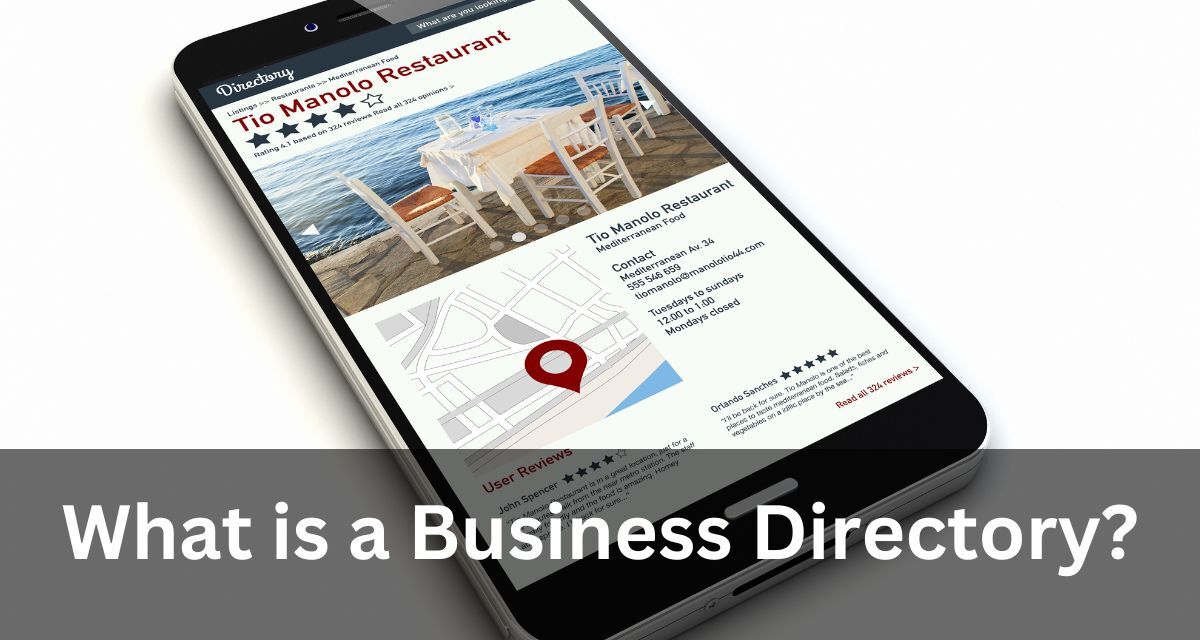
Business directories play a crucial role in connecting businesses and consumers. They serve as comprehensive databases of company information, aiding users in finding relevant services or products within a specific area or industry. In this article, we will explore the world of business directories, their types, importance, and how they can be leveraged by businesses for growth.
What is a Business Directory?
A business directory is a structured database or list of companies, usually categorized by industry, location, or other criteria. Its primary purpose is to help users find businesses quickly and easily. These directories can exist in various forms, including printed directories, like the Yellow Pages, or online directories such as Yelp, Google My Business, and YellowPages.com.
Types of Business Directories
Business directories can be categorized into two main types: online and offline. Offline directories are traditional printed directories, often found in physical copies. Online directories, on the other hand, are digital platforms that allow users to search for businesses and services through the internet.
Online directories have become increasingly popular due to their convenience and accessibility. They offer a wide range of features, including customer reviews, ratings, and additional information about businesses.
Importance of Business Directories
Business directories are essential tools for both businesses and consumers. For businesses, these directories serve as a platform to increase their visibility and attract potential customers. By listing their services or products, companies can reach a wider audience and increase their online presence.
Consumers, on the other hand, benefit from business directories by easily finding businesses that meet their needs. They can read reviews, compare prices, and make informed decisions. In this way, business directories bridge the gap between supply and demand.
How to Use Business Directories
Using business directories effectively requires understanding their inner workings. To make the most of these platforms, businesses should ensure that their listings are accurate and up to date. Additionally, they should consider optimizing their listings for search engines, making them more discoverable to potential customers.
For consumers, the process is simple. They can enter relevant keywords, location, or other filters to find businesses that match their criteria. User reviews and ratings often play a significant role in helping consumers make informed choices.
Top Business Directories
Several online business directories have gained prominence over the years. Some of the top directories include:
- Google My Business: Offers a range of features and appears prominently in Google search results.
- Yelp: Known for its comprehensive user reviews and ratings.
- YellowPages.com: A digital version of the well-known Yellow Pages directory.
Each of these directories has its unique features and advantages for businesses and consumers.
Benefits for Businesses
Businesses can reap several benefits from listing on directories. Firstly, they gain increased visibility among potential customers. This can lead to more website traffic, phone calls, and ultimately, increased sales. Positive customer reviews and ratings can also build trust and credibility.
Customer Reviews and Ratings
Customer reviews and ratings are crucial components of business directories. They provide valuable insight into the quality of a business's products or services. Positive reviews can significantly impact a business's reputation and trustworthiness. Responding to reviews, whether positive or negative, demonstrates a commitment to customer satisfaction.
Challenges and Pitfalls
While business directories offer numerous advantages, they also come with their fair share of challenges. These may include dealing with negative reviews, managing multiple directory listings, and keeping information up to date. To overcome these challenges, businesses should implement effective strategies and monitor their directory presence regularly.
The Future of Business Directories
In the ever-evolving digital landscape, the future of business directories is promising. Innovations such as augmented reality (AR) integration and improved user experiences are on the horizon. As search engine algorithms become more sophisticated, directory listings are expected to play an even more significant role in SEO and online visibility.
The SEO Connection
Search engine optimization (SEO) is closely connected to business directory listings. To enhance their online presence, businesses should optimize their directory listings for relevant keywords and location-based searches. This ensures that their business appears at the top of search engine results, increasing the likelihood of being discovered by potential customers.
Local vs. Global Directories
Local directories are valuable for businesses that primarily serve a specific geographic area, such as a city or region. Global directories, on the other hand, are useful for companies with a broader target audience. Businesses should choose the most suitable directory type to reach their target market effectively.
Building a Directory Listing
To create an effective business directory listing, businesses should follow these steps:
- Accurate Information: Ensure that all information provided is correct and up to date.
- High-Quality Images: Use professional images to showcase products or services.
- Keyword Optimization: Incorporate relevant keywords for better search visibility.
- Complete Profile: Fill in all available fields to provide comprehensive information.
- Regular Updates: Keep the listing current with any changes or promotions.
Measuring Success
To gauge the success of a business directory listing, businesses can utilize various tools and metrics. Tracking website traffic, monitoring customer interactions, and analyzing click-through rates are some ways to measure performance. Regular evaluation allows businesses to make necessary improvements.
Conclusion
Business directories are vital tools in the modern business landscape. They connect businesses with potential customers and help consumers make informed choices. As businesses strive to increase their online presence and reach a broader audience, leveraging business directories is a wise strategy. By optimizing listings, managing customer reviews, and staying updated, businesses can harness the power of directories for growth.
FAQs
1. Are business directories still relevant in the digital age?
Yes, business directories remain relevant. They help businesses gain visibility in search engine results and provide consumers with valuable information.
2. What's the difference between local and global directories?
Local directories focus on specific geographic areas, while global directories cater to a broader audience.
3. How can businesses ensure their directory listings are optimized for SEO?
By incorporating relevant keywords, providing complete and accurate information, and regularly updating their listings, businesses can optimize them for SEO.
4. Do customer reviews really make a difference for businesses on directories?
Yes, customer reviews and ratings play a significant role in building trust and credibility for businesses. Positive reviews can lead to increased sales.
5. What does the future hold for business directories?
The future of business directories is promising, with innovations like augmented reality and improved user experiences on the horizon. Directory listings are expected to play an even more significant role in SEO and online visibility.




Leave Comment Below